
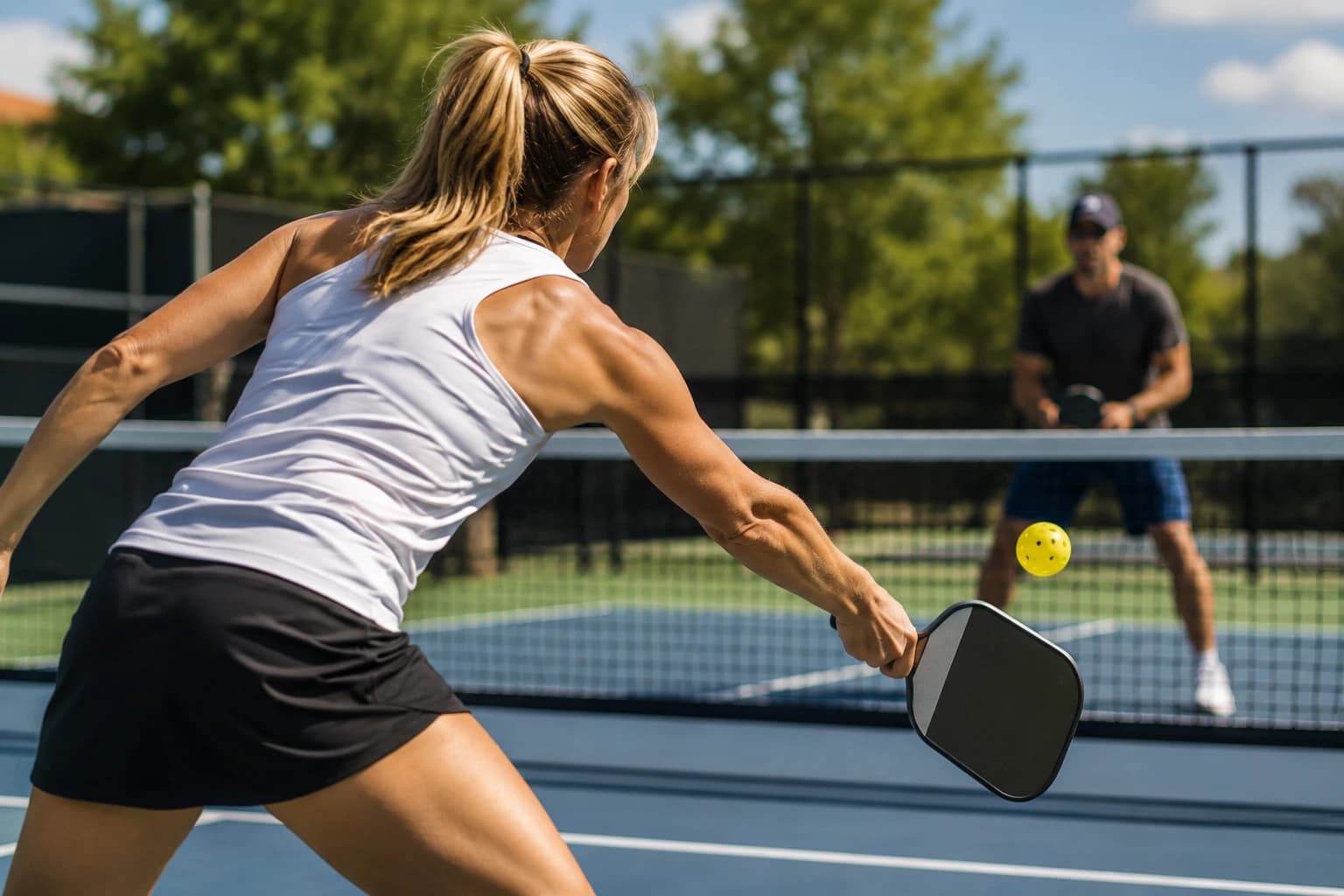
Pickleball is one of the fastest-growing sports in the United States, and it's easy to see why. It's social, fun, and accessible—but it's also a sport where injuries are becoming increasingly common. If you're a pickleball player in Overland Park dealing with shoulder pain, tennis elbow, knee issues, or other injuries, you're not alone.
The challenge is that many pickleball injuries aren't truly about the sport itself—they're about how your body moves, stabilizes, and responds to the demands of play. This guide will help you understand common pickleball injuries, why they happen, and how effective treatment can get you back on the court.
Why Pickleball Injuries Are on the Rise
Pickleball looks simple. You stand on a small court with a light paddle and hit a slow ball. But the reality is more complex. The sport involves:
- Rapid direction changes requiring ankle and knee stability
- Repetitive overhead motions that stress shoulders and elbows
- Explosive movements from a stationary position
- Rotational demands through the spine and hips
Many recreational players jump into pickleball without building the specific movement qualities the sport demands. Add to that the fact that many players are in their 50s, 60s, and beyond—when mobility naturally declines—and you have the perfect environment for injuries to develop.
The good news? Most pickleball injuries are preventable and treatable when you address the movement patterns that caused them.
Most Common Pickleball Injuries
Shoulder Pain and Rotator Cuff Issues
Why it happens: Pickleball requires overhead serving and volleying. If your shoulder lacks proper mobility or your rotator cuff muscles are weak or imbalanced, repetitive overhead motions irritate the tendons and muscles. This often develops when:
- You have limited shoulder mobility
- Your rotator cuff muscles fatigue quickly
- Your core lacks stability (forcing your shoulder to compensate)
- Your serve mechanics are inefficient
What you experience: Pain or weakness reaching overhead, difficulty serving with power, clicking or popping sensations, or pain that gets worse as you play.
Why treatment matters: Shoulder pain from pickleball doesn't resolve with rest alone. You need to restore shoulder mobility, rebuild rotator cuff strength, improve core stability, and relearn efficient serving mechanics. Chiropractic care combined with targeted rehabilitation addresses all of these factors.
Tennis Elbow (Lateral Epicondylitis)
Why it happens: Despite its name, tennis elbow is actually more common in pickleball now. The repetitive gripping and backhand motions strain the tendons on the outside of your elbow. This happens because:
- Your grip is too tight or your paddle too heavy
- Your wrist and forearm lack stability
- You're generating power from your arm instead of your core and shoulders
- The tendon never fully recovers between play sessions
What you experience: Outer elbow pain that worsens with gripping, pain radiating down your forearm, weakness when holding objects, or difficulty with backhand shots.
Why movement correction matters: Tennis elbow from pickleball requires retraining how you generate power. Instead of relying on forearm muscles, effective strokes come from your core, shoulders, and legs. This takes pressure off the damaged tendon and allows it to heal.
Knee Pain and Patellofemoral Issues
Why it happens: Pickleball involves constant lateral movements and quick directional changes. Knee pain develops when:
- Your hip muscles lack strength or stability
- Your landing mechanics are poor
- Your knees cave inward (valgus collapse) during lateral movements
- You lack ankle mobility to absorb forces properly
What you experience: Pain around the kneecap, especially during lateral movements, swelling that develops during or after play, clicking or catching sensations, or instability when changing direction quickly.
Why comprehensive assessment is critical: Knee pain rarely originates at the knee. More often, it's caused by poor hip stability, ankle mobility limitations, or faulty landing mechanics. A thorough movement assessment can identify these contributing factors, and targeted rehabilitation addresses them at the source.
Plantar Fasciitis and Heel Pain
Why it happens: Pickleball involves repetitive loading through your feet and calves. If you lack ankle mobility or your feet don't absorb forces efficiently, your plantar fascia becomes overstressed. Many players develop heel pain because:
- They move aggressively without proper warm-up
- Their calf muscles are chronically tight
- Their feet collapse inward during movements
- They lack shock absorption through their ankles and arches
What you experience: Heel pain that's worst in the morning, improved by movement, then worsened again after activity, especially sharp pain with the first few steps after rest.
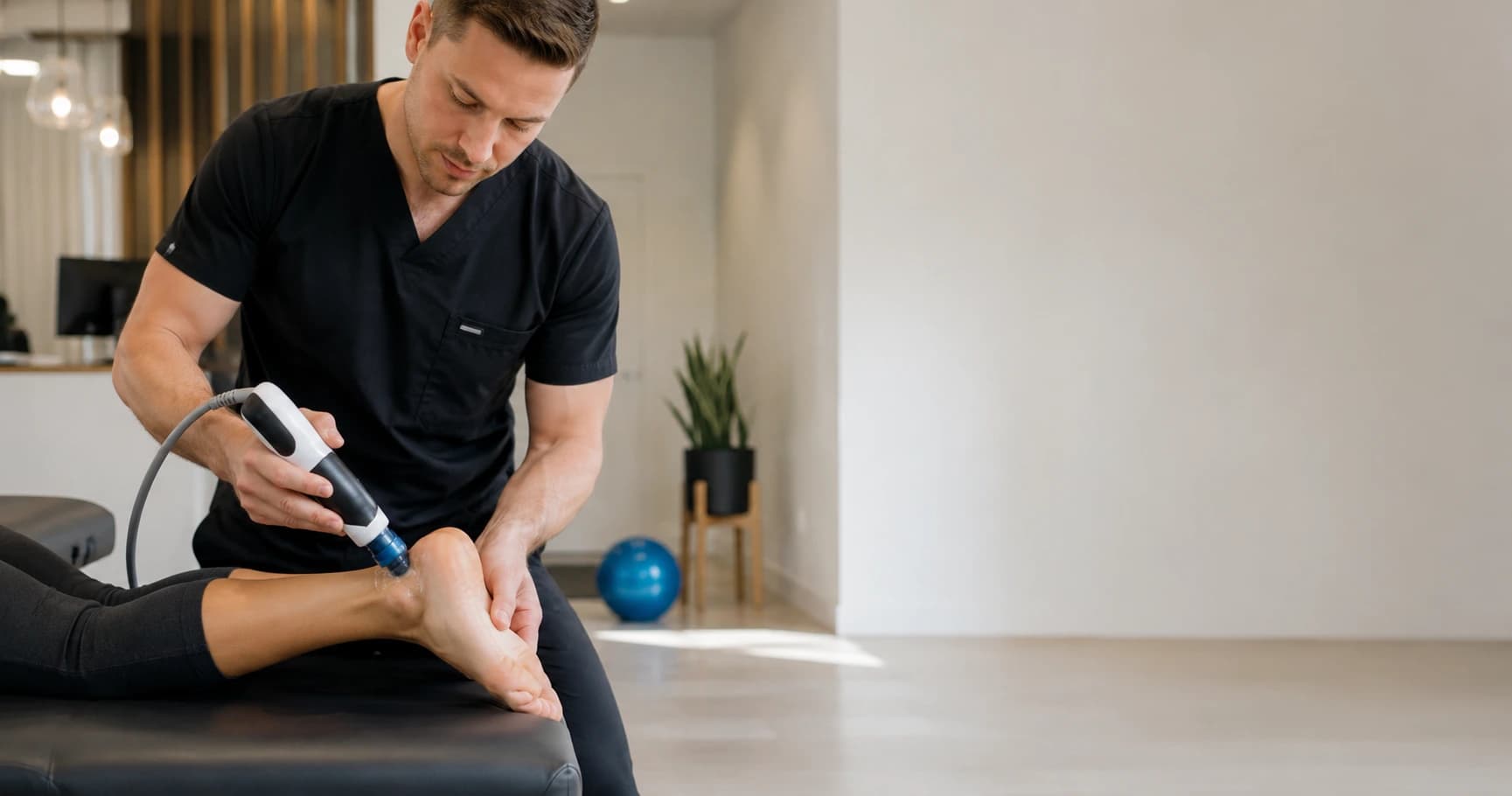
Learn more about plantar fasciitis treatment and shockwave therapy.
The Movement Assessment Approach
Here's what separates effective pickleball injury treatment from symptom chasing:
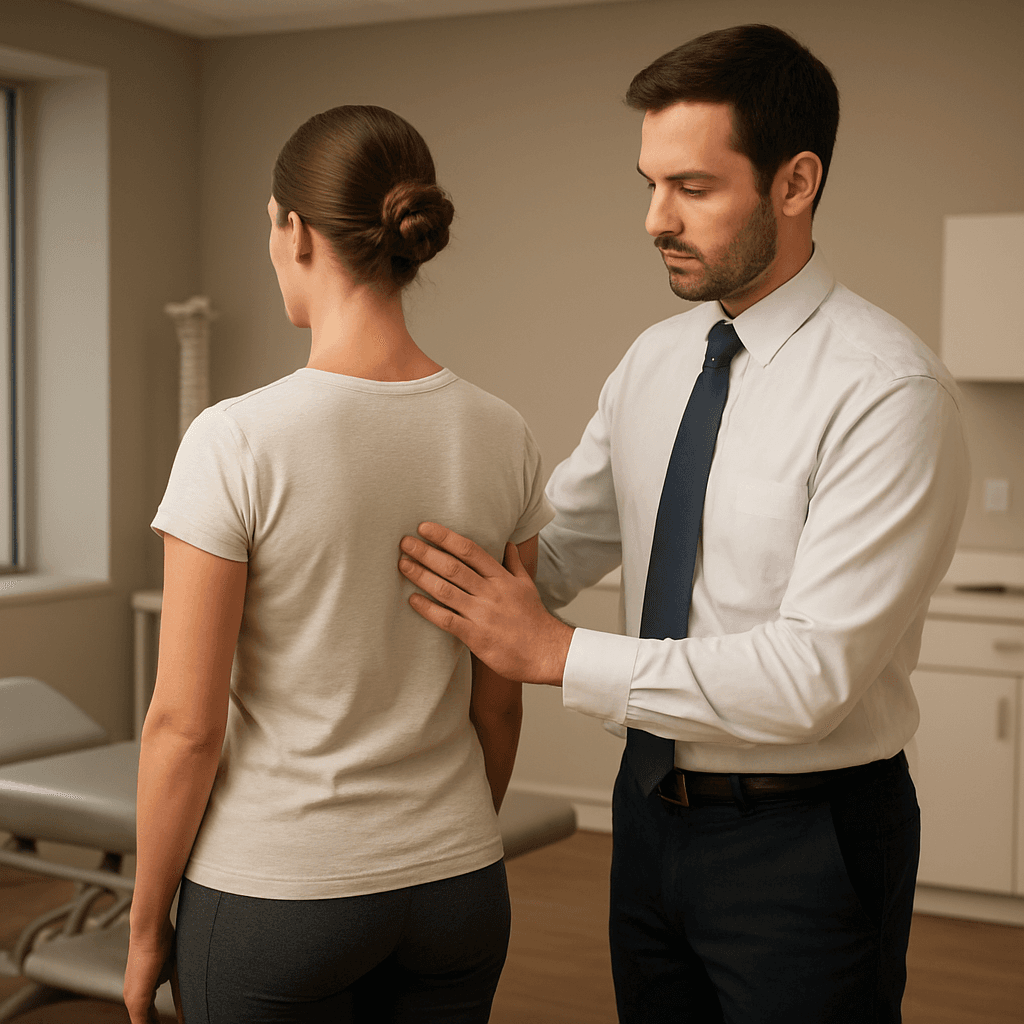
A comprehensive movement assessment looks at:
- Ankle and foot mobility - Can you dorsiflex and plantarflex smoothly? Do your feet collapse inward?
- Hip strength and control - Can you maintain proper hip alignment during single-leg movements?
- Core stability - Does your core activate properly to stabilize your spine during rotational movements?
- Shoulder mobility and strength - How far can you move your arms in all directions? Can your rotator cuff stabilize through full range?
- Movement patterns - How do you actually move when playing? Are you generating power efficiently?
This assessment reveals why you're injured—not just where it hurts.
Effective Treatment for Pickleball Injuries
Phase 1: Reduce Irritation and Restore Baseline Function
This phase focuses on:
- Reducing inflammation through targeted therapies
- Restoring pain-free movement
- Identifying and correcting harmful patterns
- Beginning basic rehabilitation exercises
Phase 2: Restore Strength and Stability
Once pain is manageable:
- Rebuild strength in weak muscles
- Improve stability and control
- Correct movement patterns that contributed to injury
- Progress exercise intensity and complexity
Phase 3: Return to Pickleball
This phase includes:
- Sport-specific movement training
- Gradual return to playing activity
- Prevention strategies and maintenance routines
- Education on recognizing early warning signs
Injury Prevention: The Real Goal
The best treatment is prevention. Here's how to stay injury-free and enjoy pickleball long-term:
Warm Up Properly
Don't just grab your paddle and start playing. Spend 5-10 minutes:
- Walking and light jogging
- Dynamic stretching
- Shoulder and hip circles
- Light paddle practice strokes
Build Movement Quality Before Playing Hard
If you're new to pickleball:
- Spend 2-3 weeks playing at 70% intensity
- Focus on technique over power
- Build your conditioning gradually
- Play 2-3 times per week initially, not daily
Address Mobility Limitations
If you have stiff ankles, tight hips, or restricted shoulder mobility:
- Work on these limitations now, before they cause injury
- Mobility work takes 5-10 minutes daily
- Improvements typically show within 2-4 weeks
Invest in Proper Equipment
- Use a paddle weight and grip size suited to you
- Don't assume heavier is better—control matters more than power
- Wear supportive pickleball shoes designed for court surfaces
Know Your Limits
Pickleball is fun partly because it's social. But:
- Don't play through pain
- Don't increase playing frequency too rapidly
- Don't skip recovery between sessions
- Listen to your body
When to Seek Treatment
You should see a provider for pickleball injuries if:
- Pain persists for more than a few days
- Pain affects your ability to play or impacts sleep
- You have swelling or visible changes to the joint
- Pain returns each time you play
- Over-the-counter approaches haven't helped within 1-2 weeks
Early intervention is important. Injuries that linger often develop compensatory movement patterns that create secondary problems.
Pickleball Injuries in the Overland Park Area
If you play pickleball in Overland Park, Leawood, Prairie Village, Lenexa, or surrounding Kansas City communities, you're part of a rapidly growing pickleball community. From indoor courts to dedicated outdoor facilities, the Kansas City metro has become a pickleball hub.
The challenge is that as more people play, more injuries develop. Many players don't realize that effective treatment requires understanding movement, not just addressing pain.
Your Next Steps
If you're dealing with a pickleball injury, the first step is understanding why it happened. A comprehensive movement assessment reveals:
- Which movement patterns are contributing to your pain
- Which muscles or joints need work
- Whether you can safely return to play
- What rehabilitation you actually need
At Move Muscle & Joint, we specialize in treating active people. We don't just treat the pain—we restore the movement quality that allows you to return to activities you enjoy, stronger and more resilient than before.
If you're a pickleball player in Overland Park dealing with shoulder pain, elbow pain, knee issues, or other sports injuries, let's assess your situation and create a plan to get you back on the court playing the sport you love.
FAQ: Pickleball Injuries and Treatment
Can I keep playing with a pickleball injury?
It depends on the severity. Minor aches might improve with activity modification, but true injuries require rest or modified activity until they improve. Continuing to play through pain often makes injuries worse and creates compensatory patterns. Consult a provider who can evaluate your specific injury and give you activity guidelines.
How long does pickleball injury recovery typically take?
Recovery time varies based on injury severity, your age, activity level, and how consistently you follow a rehabilitation plan. Minor shoulder or elbow issues might improve in 2-4 weeks with proper treatment. More significant injuries can take 6-12 weeks. The key is following a structured progression, not rushing back to play.
What's the difference between rest and recovery?
Rest means avoiding activity entirely. Recovery means controlled, structured rehabilitation that gradually restores function. Modern injury treatment focuses on recovery—staying active within pain-free ranges while addressing the underlying causes of injury. This approach typically produces better long-term outcomes than extended rest.
Should I use ice, heat, or both for pickleball injuries?
Ice is best for acute injuries (first 48 hours) to reduce swelling. After that, heat often provides better pain relief and helps muscles relax. Some injuries benefit from both—ice after activity, heat before exercise. A movement specialist can recommend what's appropriate for your specific injury.
Can chiropractic care help pickleball injuries?
Yes, especially when combined with rehabilitation. Chiropractic care can restore joint mobility, reduce muscle tension, and correct movement patterns. This is most effective when paired with targeted exercises to rebuild strength and stability.
How do I prevent pickleball injuries?
Prevention starts with movement quality. Address mobility limitations before they cause problems, build strength in weak areas, warm up properly, progress your activity gradually, and listen to your body. Many injuries are preventable through smart training practices.
Is pickleball harder on your body than tennis?
Pickleball is often easier on the body than tennis because it requires less movement and the ball is slower. However, the repetitive nature and quick directional changes can stress joints, especially in people with pre-existing mobility or strength limitations. Proper movement quality and conditioning can minimize injury risk.
When should I see a doctor versus a chiropractor for a pickleball injury?
Start with a movement specialist like a chiropractor who can assess your injury, identify contributing factors, and determine whether imaging or other specialist evaluation is needed. Most pickleball injuries respond well to movement-based care. If there's concern about fractures, severe sprains, or other serious injury, your provider can refer you for appropriate imaging or specialist evaluation.
Can I continue my fitness routine while recovering from a pickleball injury?
Often yes, but it requires modification. Many people can work on unaffected areas—for example, if you have a shoulder injury, you might maintain leg and core strength. A provider can guide you on which activities are safe and beneficial during recovery.

About the Author
Dr. Joseph Hugunin
Founder of Move Muscle & Joint and movement-focused chiropractor in Overland Park with 20+ years of experience. Former team chiropractor for Sporting Kansas City and University of Kansas Athletics, with additional experience providing care at UFC events and for touring artists through Live Nation.
Related Articles
Areas We Serve
Move Muscle & Joint provides chiropractic care, myofascial release therapy, shockwave therapy, and targeted rehab to patients throughout the Kansas City metro area.
Located at 10701 El Monte St, Studio 2, Overland Park, KS 66211. Call +1-913-303-0989 to schedule.